
Holy Trinity/Vicksburg is hosting, A Window into Reconciliation—Then and Now, a special evening of fellowship and reflection on Tuesday, January 21, at 5:15 pm.
Part of the church's year-long 150th-anniversary celebration, it will begin with a soup and cornbread supper followed by a program featuring the Rt. Rev. John McKee Sloan, Bishop of Alabama, and two of Mississippi’s best known political and social commentators—Jere Nash and Andy Taggart.
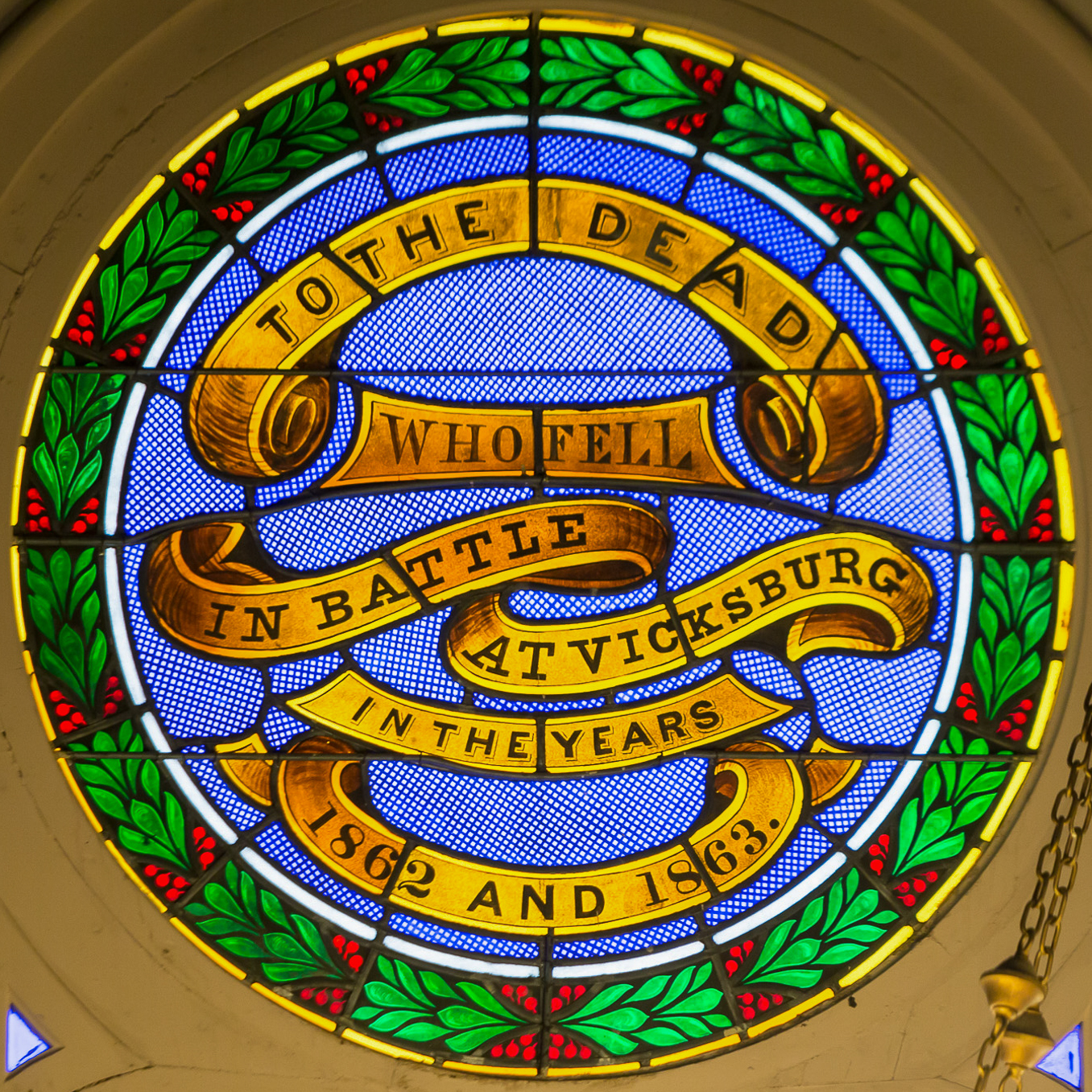
“The idea for this gathering,” notes the Rev. Andy Andrews, Holy Trinity rector, “came from the message in the first memorial windows placed in the church in 1880, which are dedicated ‘To the dead who fell at Vicksburg in the years 1862 and 1863.’ What does that message from what we call the ‘Reconciliation Memorial’ windows say about the people and times when this parish was founded and how can it inform us today?”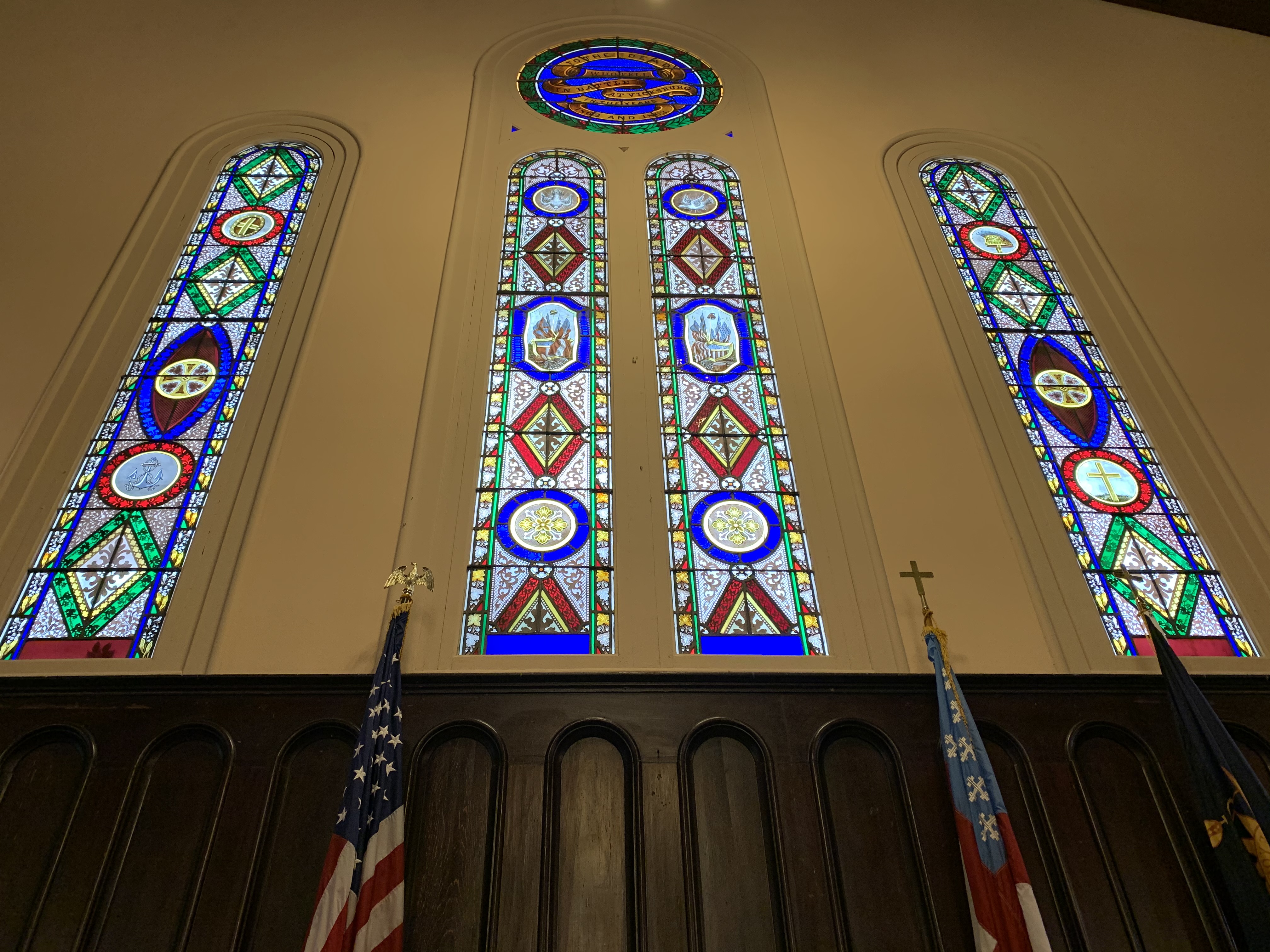
The Reconciliation Memorial windows were conceived in the early 1870s by the Rev. Dr. William W. Lord, Holy Trinity’s first rector. Dr. Lord had first served at Vicksburg as rector of Christ Church (1854-1863) and with his family lived through the terror and hardships of the 47-day siege that ended July 4, 1863. He held daily services throughout, despite near-constant shelling that destroyed the rectory and heavily damaged the church. After the city was occupied, he and his family left for a section of the South not yet under Union attack or control. He served hardship posts for the next two years as rector of Church of the Redeemer, Greensboro, GA (1863-1864), and Christ Church, Winnsboro, SC, (1864-1865). His congregations were women, children, and the infirm. At Winnsboro, his family again found themselves in the path of a Union army, and this time the church was burned.
After the war, Dr. Lord served at St. Paul’s, Charleston, until February 1870 when he was called to Holy Trinity. From the beginning of this second tenure in Vicksburg, his primary focus was building a large new church. The brickwork was completed in 1874 and the slate roof in 1875. During this period, the vestry endorsed his concept that “there should be conspicuously placed in the church a memorial to the dead who fell in the battles of Vicksburg in the years 1862 and 1863.” Dr. Lord lectured in several cities to raise the $700 for the memorial, and the parish and people of Vicksburg gave the balance.
Today, we view the Reconciliation Windows gesture as somewhat narrow. But the windows evoke the continuing need for reconciliation in our own time. Lifelong Holy Trinity member Lee Davis Thames observed, “Those windows remind us regularly of an essential element of our parish ministry: reconciliation. We see that reminder every Sunday as we leave the altar rail from taking Holy Communion and look down the aisle to the Reconciliation Windows.”
Bishop Sloan, a Vicksburg native, and child of Holy Trinity parish will begin the Tuesday, January 21, evening program with personal reflections on reconciliation. He will be followed by a conversation between Jere Nash and Andy Taggart about other instances of reconciliation, drawing on lessons from history. Included will be stories from Nash’s upcoming book on the Reconstruction Era in Mississippi.
--Tim Ables is a communicant of Holy Trinity/Vicksburg.