According to the Mississippi Department Health website there are no reported cases of the coronavirus in the state; however, all the points made by a rector in the Diocese of Washington to his parish in Washington, are universally applicable in our efforts to stay healthy during the coronavirus pandemic and during the regular cold and flu season. See the letter on the virus and the common cup below this article
 Bishop Seage encourages everyone to learn more about the coronavirus and how to take necessary precautions in and out of church by visiting the Mississippi Department of Health (www.msdh.ms.gov) and the Centers for Disease Control and Prevention (www.cdc.gov).
“The coronavirus is causing a great concern for everyone. As Christians, I believe it is our responsibility to respond to the concern without heightening anxiety while ensuring safety for everyone,” Bishop Seage said.
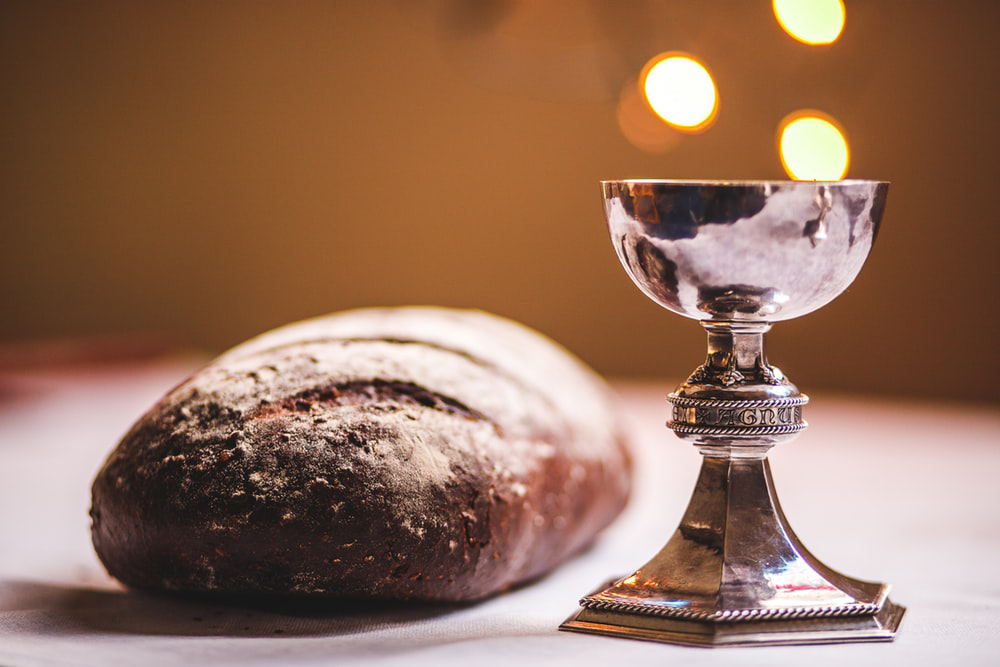
There are churches in the Diocese of Mississippi with a policy of allowing the chalice bearer to dip the host for the communicant. As mentioned in the letter below, this action is safer because only one set of clean hands does a careful intinction.
If one still has concerns, it is acceptable to receive the host only for communion. To receive in one kind is to receive in both according to our sacramental theology. If you do not wish to receive the cup, simply cross your hands over your chest.
Passing the peace by shaking hands or hugging may make some people uncomfortable during the cold and flu seasons or during a possible outbreak of the coronavirus. If a fist bump is offered, take it. Many people may not want to shake hands or hug.
Repeating the advice from a rector's letter to his parishioners, if you are sick stay home and get well.
Parishioners are encouraged to visit with their priests if they have concerns. He or she will be happy to discuss the issues with you.
The Rev. Scott Lenoir is the editor of the Mississippi Episcopalian
Coronavirus (COVID-19) and the Common Cup
A letter to a Washington parish from its rector
The news of the last week has been filled with turmoil created by the spread of the coronavirus COVID-19, roiling financial markets, causing increasing concern throughout the world about transmission, and otherwise raising concerns about the spread of infectious disease.
Invariably, the first question asked of the church in moments like this is:
What about the common cup at the Eucharist?
The simple answer is this - peer reviewed studies and Centers for Disease Control guidance since the 1980s have consistently shown that "no documented transmission of any infectious disease has ever been traced to the use of a common communion cup" and "the risk for infectious disease transmission by a common communion cup is very low, and appropriate safeguards--that is, wiping the interior and exterior rim between communicants, use of care to rotate the cloth during use, and use of a clean cloth for each service - would further diminish this risk." American Journal of Infection Control (Vol. 26, No. 5, 1998).
We do all these things at St. Paul's! Our Eucharistic Ministers are trained to wipe the rim of the chalice between each communicant, to rotate the purificator (the cloth), and the Altar Guild ensures a clean cloth is used for each liturgy.
A common follow up question is:
Is it more sanitary to intinct the host into the cup than drink from it?
In short - absolutely not! As any experienced Eucharistic Minister or clergy person will tell you, it is a common occurrence when people intinct the host for their fingers to touch either the consecrated wine or the side of the chalice. This is in fact less sanitary then drinking in the first place - we can make sure our Eucharistic Ministers and clergy wash their hands, but we can't do the same for the whole of the congregation!
Invariably, though, I am still told:
I understand the studies, but I'm still concerned - what should I do?
As your priest, I can recommend three options to you:
1. When in doubt, drink from the common cup - it is the most sanitary way for you to receive the consecrated wine at the Eucharist. Christians have been doing so for centuries, and still manage to die at the same rate and pace as the general population!
2, If you don't want to drink from the cup, don't intinct for yourself. Instead, leave the host on your hand, and allow the Eucharistic Minister to intinct for you, and place the host on your tongue. This ensures that only people with washed hands are handling the hosts, and eliminates unsanitary conditions that are caused by intinction.
3. If you don't want to receive the cup at all, it's ok not to. The church believes that all of the grace of the sacrament of the Eucharist is conferred wholly in each element - both consecrated bread and wine. To receive only the host is not to have a "half blessing" or to receive "half communion." Instead, receiving in one kind is to fully partake in the Eucharistic feast.
Finally, let your consideration for others carry the way you would through any other sickness: if you have a fever, stay home; if you have a cold, don't shake hands at the peace; and always, always, always wash your hands with soap and water for 15 seconds or longer.
I was ordained in 2011; in that time, I have communicated thousands of people and shaken thousands of hands in receiving lines. Beyond that - I've consumed what's left in the chalice after Holy Communion, quite literally drinking behind thousands of people over my ordained vocation. And I promise - I get sick at the same rate the rest of us do!
In a time of fear and panic, let us continue to dwell with one another, continue to be with one another, and continue to be at the Eucharistic feast with each other. I firmly believe Jesus would do the same.
If you have questions about this, ask me! I'm available at coffee hour, and if you want to know more, I also keep open office hours where you can schedule a time to drop in.